
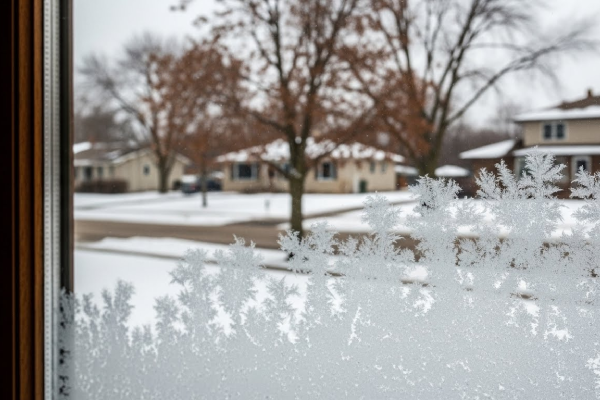
Are Your Windows Ready for Another Midwest Winter? Here’s What You Need to Know
If you’ve ever felt a cold draft floating through your windows during a January freeze, you’re not alone. Midwest homeowners face some of the most challenging climate conditions in the country, and your windows deal with a lot of adversity throughout these brutal weather years.
Unfortunately, some people think this discomfort is just a part of Midwestern life. The truth is that your windows should be an asset to our home that keeps you warm and safe, not a symptom of the problem of the harsh temps. With winter energy bills climbing and another season of subzero temperatures ahead, understanding what makes a window truly winter-ready can save you money, and it can improve the comfortability of your home for the future.
Why Midwest Winters Are So Demanding on Windows
The Midwest climate is no joke. Bitter cold, icy winds, and heavy snowfall create extreme tests for your windows. These harsh winters are followed by humid summers that push cooling systems to their limits. The volatility of the weather can severely damage your windows.
According to the Department of Energy, windows are responsible for 25 to 30 percent of residential heating and cooling energy use. In practical terms, that means poorly performing windows are costing you real money and making your home less comfortable.
When temperatures drop the inadequate windows lead to cold drafts with condensation and rooms that never quite feel warm no matter how high you crank the thermostat. The result is higher heating bills and spaces that simply don’t feel comfortable.
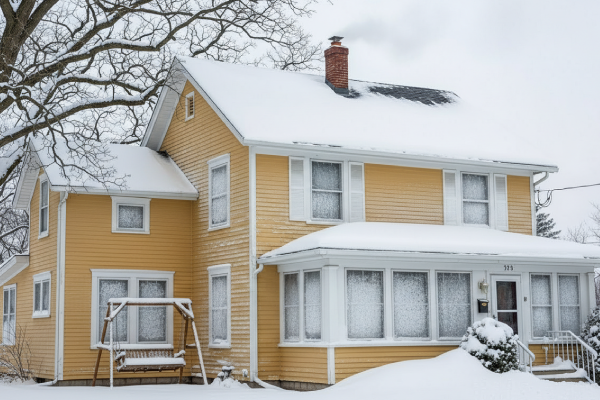
The Numbers That Actually Matter
When shopping for replacement windows, you’ll want to look out for two critical ratings on the NFRC label that determine how well your windows will perform in Midwest winters. Those 2 are the U-factor and Solar Heat Gain Coefficient.
U-factor measures how well a window insulates your home. Think of it as the rate at which heat escapes through your window in winter. Lower numbers mean better insulation. For the Midwest’s climate, look for a U-factor of 0.22 or lower. To put this in perspective, old single-pane windows have U-factors around 1.29. This means they lose heat nearly six times faster than modern windows.
Solar Heat Gain Coefficient measures how much solar radiation passes through a window. For Midwest homes, you want windows that allow solar heat in during winter while still providing good insulation. Higher SHGC scores in the upper Midwest help capture passive solar heating. The lower scores work better in areas where summers are more intense.
These numbers translate directly to your comfort and your wallet. Homeowners who upgrade from old windows to modern ENERGY STAR certified windows see meaningful annual heating bill reductions. (According to verified Department of Energy data)
What Makes a Window Winter-Ready
Not all replacement windows are created equal, especially when it comes to surviving Midwest winters. Here’s what actually matters:
Triple-pane windows provide the best insulation for extreme cold and below-zero temperatures. While double-pane windows work for moderate climates, the Midwest’s harsh conditions benefit significantly from that extra layer of protection.
Low-E coatings are transparent layers on the glass that reflect heat back into your home during winter. They also can block excessive heat during summer. For cold climates, Low-E2 or Low-E3 glass offers excellent insulation, and it doesn’t reducing natural light in your home.
Gas fills between the panes improve insulation beyond what air alone can provide. This feature works in conjunction with Low-E coatings to create a thermal heat barrier that keeps your home comfortable.
Frame material matters more than many homeowners realize. High-quality vinyl and fiberglass frames offer superior durability and insulation in extreme heat or cold. These materials won’t warp, crack, or swell under the stress of Midwest weather cycles.
Proper installation is just as important as the window itself. Even the most energy-efficient window will underperform if it’s not installed correctly with proper flashing and air sealing. This is where working with experienced installers makes all the difference.
Beyond Energy Savings: The Full Picture
Lower energy bills are a great benefit to having quality windows, but there are many advantages other than this. Modern windows reduce condensation that can lead to mold and frame damage. They block harmful UV rays that fade furniture and flooring. They improve sound insulation which will create a quiet indoor environment. Most of all, they enhance your home’s curb appeal and resale value.
ENERGY STAR certification is more than just a badge. The ENERGY STAR certification is verification that a window meets strict energy efficiency standards. These standards are paramount for the harsh and erratic climate of the Midwest.
Making the Decision
If your windows are more than 20 years old, and show visible deterioration, then replacement makes clear financial sense. The financial aspect is important, but what matters most is the comfortability. If the windows on your home are negatively effecting you comfort, then that is a clear sign you need to replace them. The combination of energy savings, improved comfort, and increased home value typically justifies the investment within a reasonable timeframe.
Additionally, federal tax credits and local utility rebates may be available for energy-efficient window installations. Check current programs to maximize your investment. Continue to be financially aware of the situation.
Moving Forward with Confidence
Choosing replacement windows doesn’t have to be overwhelming. Start by understanding your current windows’ shortcomings. Do you have to deal with an uncomfortable home? Then look for ENERGY STAR certified windows that are built specifically for the Midwest.
Work with experienced local installers who understand regional weather challenges and can ensure proper installation. Ask for detailed quotes that break down both materials and labor costs, and don’t hesitate to get multiple estimates.
Allow the team at Window Resource to guide you to the best local options for windows that will improve your comfort level inside your home, for a lifetime.
