
Window Energy Efficiency Insights
Understanding What Makes a Window Energy-Efficient
Energy efficiency is about more than glass
Energy efficiency is about more than glass — it’s about how every component of a window works together to keep your home comfortable year-round. From the frame materials to the coatings on the glass, small design choices make a big impact on your home’s temperature, energy bills, and overall comfort.
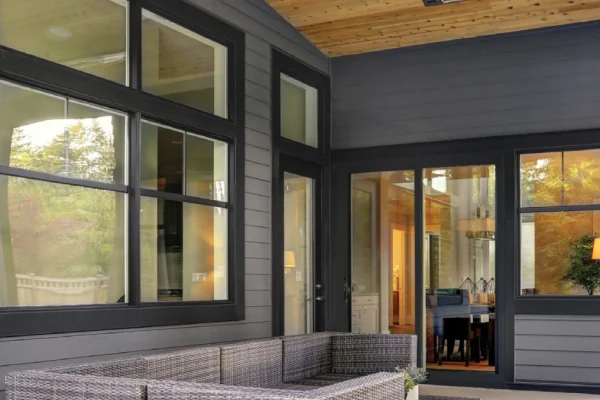
The Science Behind Efficient Windows
Since it’s such a major investment, it's crucial to understand the key factors that go into a typical window replacement project. These elements are what separate a quick-fix from a long-term upgrade.
Low-E Glass Coatings
Low-emissivity (Low-E) coatings are microscopic metal layers applied to glass. They reflect heat back into your home during winter and block unwanted heat in summer, helping regulate indoor temperature without sacrificing natural light.
Multiple Panes
Double- and triple-pane windows create insulating air spaces between glass layers. These layers can be filled with gases like argon or krypton that slow heat transfer, improving performance without adding bulk.
Warm-Edge Spacers
The spacer between glass panes matters. Warm-edge spacers made from advanced materials reduce condensation and heat loss around the glass edges, keeping interior glass surfaces warmer.
Insulated Frames
Vinyl, fiberglass, and composite frames are inherently better insulators than aluminum. They prevent drafts and thermal bridging — where outdoor temperatures leak through window frames.
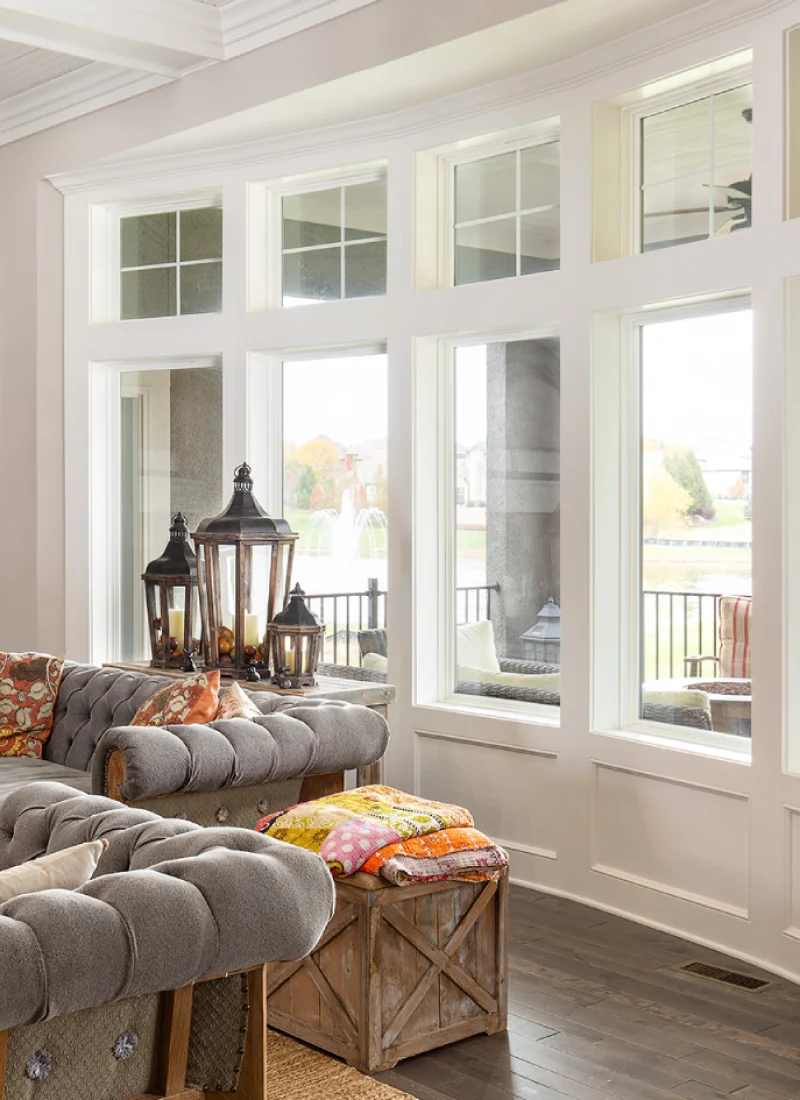
Key Ratings to Know
Understanding window labels helps you compare products confidently. When shopping, look for the ENERGY STAR® logo and pay attention to a few key metrics. The U-Factor measures how well a window prevents heat from escaping—lower numbers indicate better insulation. The Solar Heat Gain Coefficient (SHGC) shows how much solar radiation passes through the glass; a lower SHGC is ideal for hot climates because it blocks solar heat, while a higher SHGC helps retain warmth in colder regions. Visible Transmittance (VT) tells you how much natural light enters your home, and Air Leakage (AL) measures how much air passes through the window—lower values mean fewer drafts and greater comfort.
Energy-efficient windows offer several important benefits. They can lower energy bills by reducing heating and cooling costs year-round and help maintain consistent indoor comfort by keeping room temperatures more even. You’ll also notice less condensation, which can improve indoor air quality and reduce moisture buildup, while multi-pane designs and insulated frames help reduce outside noise. Beyond personal comfort, choosing efficient windows also benefits the environment by decreasing your home’s overall carbon footprint.
When selecting the right level of efficiency, it’s important to consider your local climate. Homes in colder regions such as the Midwest or northern U.S. should prioritize windows with a low U-Factor to retain indoor warmth. Those in hotter climates should look for glass with a low SHGC to block solar heat. For mixed climates that experience both temperature extremes, a balanced combination of low U-Factor and moderate SHGC values provides year-round performance.
To keep your windows performing efficiently over time, regular maintenance is key. Inspect and maintain seals and weatherstripping to ensure a tight fit, and re-caulk edges every few years to prevent air leaks. Clean Low-E glass carefully using non-abrasive products, and check frames seasonally for signs of warping or moisture buildup. With proper care, your windows can continue delivering energy savings and comfort for decades.
Sign up to receive the latest window trends, expert tips, and resources for your home.